
Behaviour
Mastering Loose-Lead Walking: Positive Techniques for a Calm & Happy Dog
1 September 2026
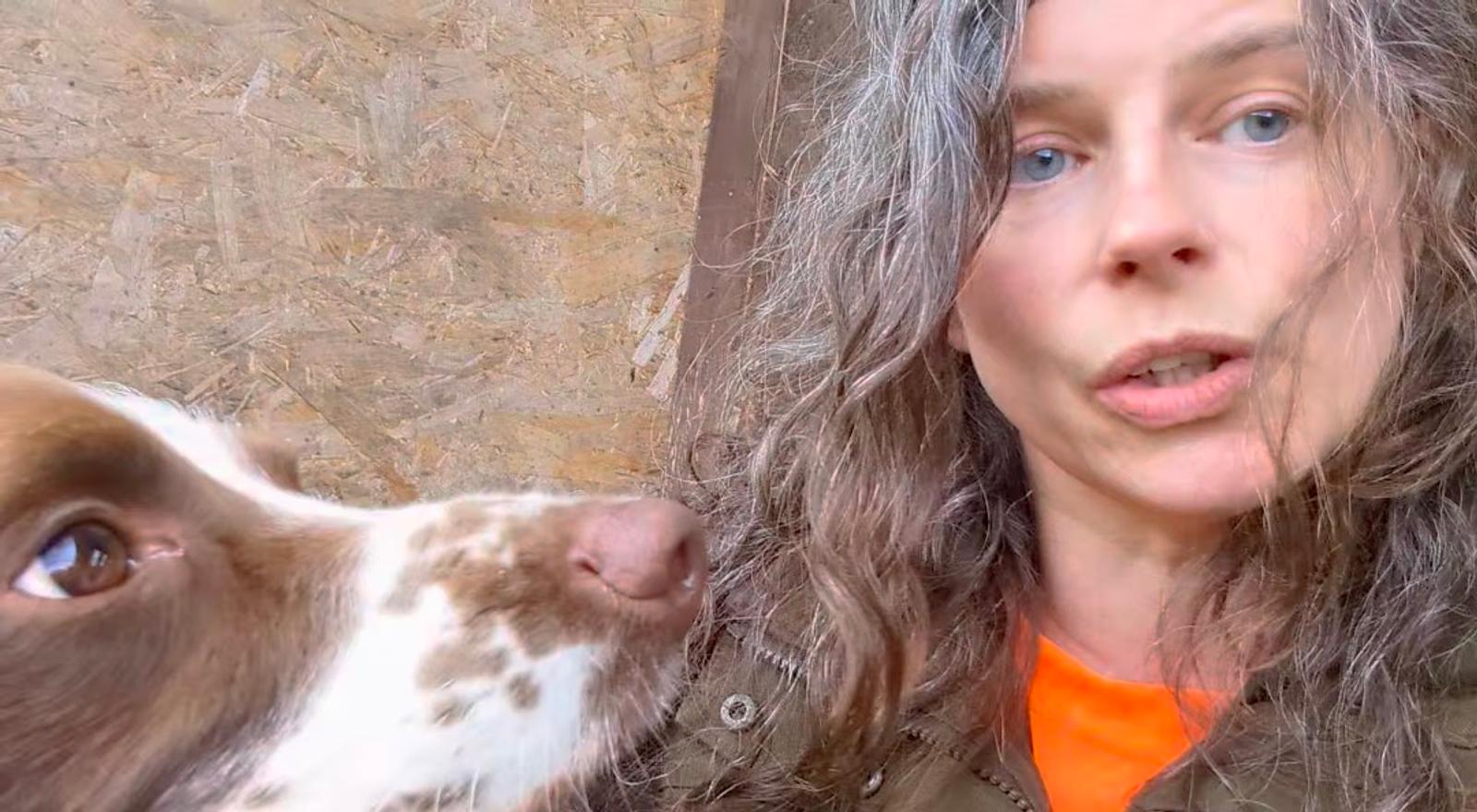
If you’ve ever found yourself being dragged down the pavement by your four-legged companion, you’re not alone. Lead pulling is one of the most common—and frustrating—challenges dog owners face. However, as demonstrated with Obi the Springer Spaniel, transforming a persistent puller into a polite walking partner doesn't require harsh treatment or aversive tools; choke collars, tightening head collars, aggressive shouting or yanking the lead.
With positive techniques, patience, and consistency, you can achieve peaceful walks on a loose lead, while staying kind and keeping your dog’s trust.
Why Do Dogs Pull?
Understanding why your dog pulls is the first step toward correcting the behaviour. Dogs don’t pull out of stubbornness.They do not have the same complex emotion we have. So do not feel spite or stubbornness. That is just us humas projection our human emotions onto them; instead, pulling usually comes down to three main factors:
- Frustration: High energy and excitement can make the pace of human walking feel unnaturally slow, combined with your dog really want to get to something; usually smells, other dogs or people..
- Environmental Distractions: The sights, scents, and sounds of the world are often far more enticing than staying focused on and listening to the handler.
- Habit and Reinforcement: If pulling has previously allowed your dog to reach what they want, the technique the handler has used has been inadvertently reinforced pulling into a habit I’m afraid to say.
The Problem with Aversive Gear and Retractable Leads
When struggling with a pulling dog, it can be tempting to turn to quick fixes like prong collars, choke collars/leads and retractable leads. However, these tools often do more harm than good.
Aversive collars work through discomfort, which might temporarily suppress pulling, but they fail to address the underlying emotion causing the behaviour. Over time, by associating things on the walk with the pain and discomfort these tools cause, they can even cause your dog to become reactive or anxious toward environmental triggers.
Similarly, extending/retractable leads actively teach your dog to pull. Because tension on a retractable lead yields more line, your dog learns that tension equals progress. To break the habit, switch to a fixed-length lead paired with a comfortable harness. If you need more control, a double ended lead clipped to the chest ring as well as the back of a harness allows you a bit of a ‘safety brake’ while you are training.
Step-by-Step Guide to Loose-Lead Success
Re-training your dog requires a gradual, structured approach:
- Burn Off Feelings of Frustration First: Before asking for loose lead walking, let your dog have freedom in a secure, high-fenced area or have them on a long line going at their pace. This allows them to stop when they want, sniff what they want, toilet where they want.Stopping this is what builds their frustration.This is you ‘taking the wind out of their sail’.
- Start ‘Focus Training’ in Low-Distraction Spaces: Begin training your dog to look at me’ in a quiet environment where your dog easily succeeds—such as your kitchen. Once they master giving you their focus indoors, progress to the driveway, quiet streets, and eventually busier environments.
- Be a Human "Brake": When your dog steps too far ahead and tension enters the lead, simply stop walking. Hold your hand steady against your body so you don't accidentally yank or jerk the lead. Think of yourself as a brake that is activated when your dogpulls the lead tight.
- Reward the Focus: As soon as your dog notices the pause (they will probably look back at you) continue walking. Over time, your dog learns that a slack lead moves them forward, while pulling brings everything to a halt.
Patience is Key
Every dog learns at their own pace—some grasp loose-lead walking in a week, while others require more time. By focusing on positive reinforcement rather than punishment, you’ll build a stronger bond with your dog while enjoying stress-free walks together!
Written by Ann — Spogan Dog Behaviour & Training
VSA-Certified Dog Trainer · UK Dog Behaviour & Training Charter Member
Enjoyed this? Get more, free.
Join the Good Dog Club for a free monthly Q&A — practical training tips, answers to reader questions, and the odd Spogan update.
Almost there — check your inbox to confirm your subscription.
Want more direct help? Book a 40-minute advice call — £59
